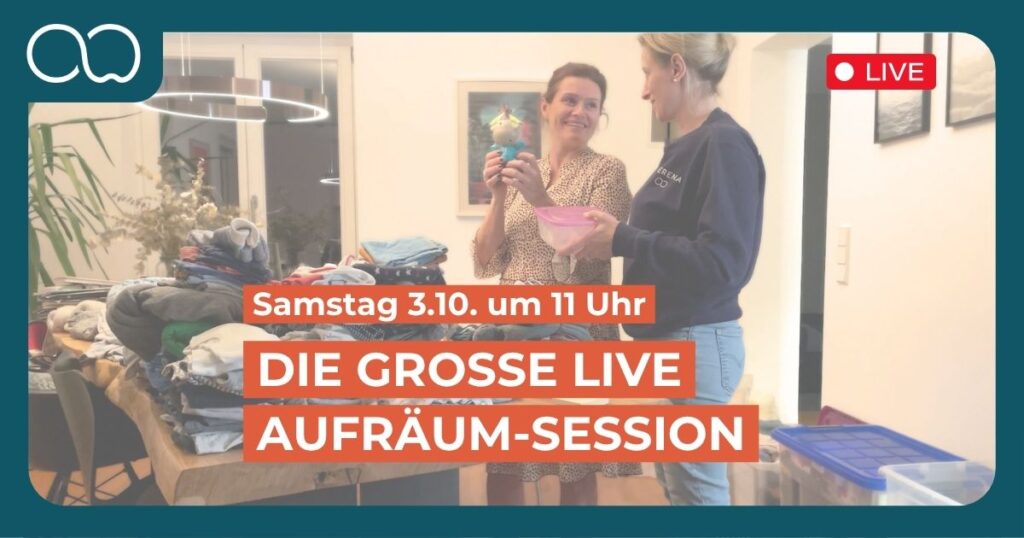


Moving to another country is a lot. New language, new systems, new routines. At some point, you just want things to work.
And then there are the boxes.
Many expats I work with tell me the same story. There was no time or energy to go through everything before the move. So everything went into the container. Or almost everything.
Now you’re here. Settled, at least on paper. But your space feels tight. Maybe smaller than what you had before. Maybe harder to manage. And suddenly all those things you brought with you are not helping. They’re just there.
If this sounds familiar, you’re not the only one. It happens more often than people think.
A new phase in a new country comes with a lot of decisions already. Your home should not be another source of pressure. It should support your daily life.
This is usually the moment when things begin to change.
You start to see that the question isn’t where to store everything, but what actually makes sense to keep.




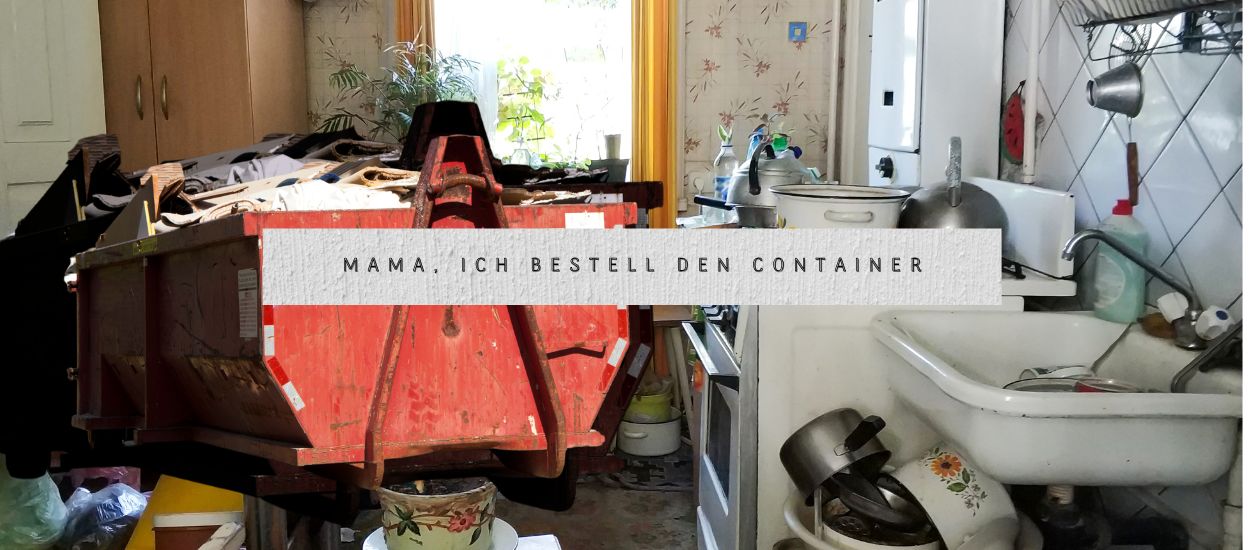
Mama, ich bestell den Container oder wie Ordnung im Alter neu gedacht werden kann
Wenn Ordnung zur Beziehungssache wird: Gerade in Familien wird Ordnung schnell emotional. Es geht nicht nur um Dinge, sondern um Rollenverteilungen, Macht und Verantwortung. Wer entscheidet, was bleibt? Wer darf loslassen – wer muss?
Und wer bestimmt eigentlich, wann „genug“ ist? Wieviel Mitspracherecht ist auf jeder Seite erlaubt? Oft denken wir, es gibt eine klare Linie, einen Entscheidungsträger. Aber wie oft fehlt die klare Verteilung.
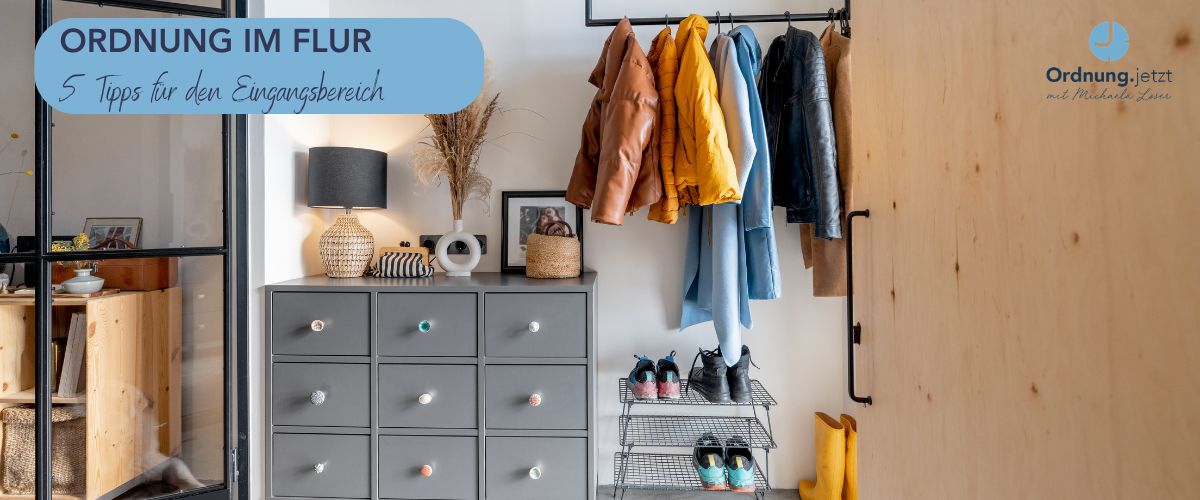
Ordnung im Flur: 5 Tipps für einen einladenden Eingangsbereich
Ein aufgeräumter Flur heißt dich entspannt willkommen. Mit festen Plätzen für Schuhe, Jacken, Taschen und Co., freien Flächen und einem schönen Blickfang entsteht schnell mehr Ruhe. 5 praktische Tipps helfen dir, deinen Eingangsbereich dauerhaft ordentlich zu halten.
Ordnung als Akt der Fürsorge
Wie möchtest du mit deinem Vermächtnis umgehen?
Ordnung kann auch ein Akt der Fürsorge sein.
Fürsorge für dich selbst und für deine Angehörigen.

Warum der Sommer der beste (und leider unwahrscheinlichste) Zeitpunkt für Ordnung ist
Im Sommer übersehen wir unser Chaos leicht – draußen ist es einfach schöner. Doch genau jetzt ist der beste Moment zum Ausmisten: Du hast mehr Energie, und Ordnung entsteht nicht über Nacht. Wer im Herbst und Winter aufgeräumt leben will, fängt am besten schon im Sommer an.